How to design custom packaging
that attracts customers
in the USA
Color, typography, materials, and the unboxing moment — a practical guide for US brands that want packaging that actually sells.
US packaging consultants helping brands design boxes that convert since 2019 — About us
A box can do much more than protect a product. It can make a customer pause, look twice, and remember the brand behind it. That is why design custom packaging matters so much in the USA. Customers here respond to packaging that feels clean, premium, and worth sharing, especially when the unboxing experience feels thoughtful from the start.
For small businesses, that creates a real opportunity. You do not need the biggest budget to make packaging memorable. You need the right color choices, the right material feel, and a presentation that makes customers want to keep the box, post it, or recommend the brand to someone else.
What this guide covers
Why color and typography matter for US brands
Color is often the first thing a customer notices. In the US market, minimalist design usually performs well because it feels modern, professional, and easy to trust. A simple palette can make a product look more expensive without making the packaging feel overloaded.
Typography matters just as much. Fonts should be easy to read, match the brand personality, and support the overall look of the packaging. A bold sans-serif can feel sharp and contemporary, while a softer serif can give a brand a more polished or premium feel.
Color — what is working in the US right now
- Use two or three colors instead of crowding the design.
- Keep the brand name readable at a quick glance.
- Leave enough white space so the packaging feels balanced.
- Match the font style with the product category and target audience.
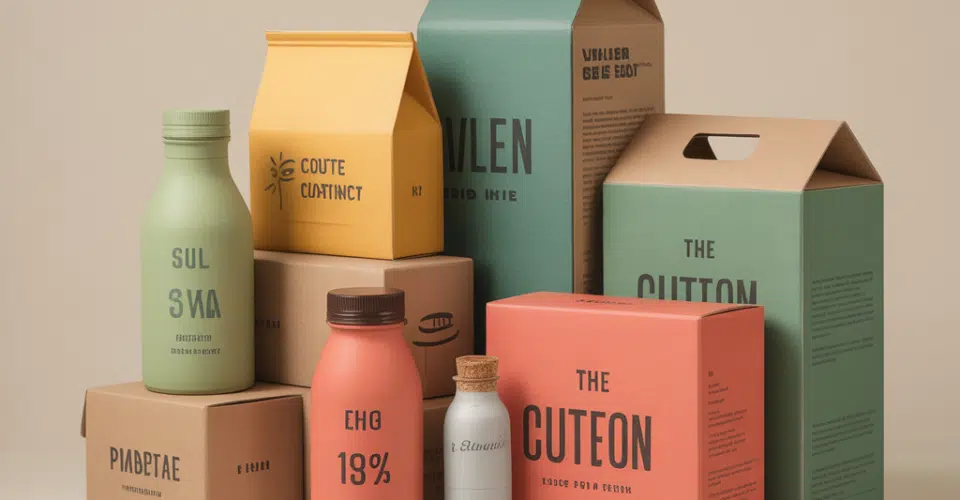
For example, a skincare brand may use white, beige, and soft green to suggest calm and sustainability. A tech accessory brand may lean into black, silver, or blue for a cleaner, more high-end impression. When you design custom packaging with this kind of clarity, the box starts working like a branding tool, not just a shipping container.
Typography — the part most brands get wrong
Typography on packaging is not about choosing a font that looks good in isolation. It is about legibility at a glance, hierarchy that guides the eye, and a voice that matches the brand’s position in the market. US consumers read packaging fast — seconds, not minutes — so every typographic decision has to serve that constraint.
- Use fewer words, not more. Your brand name, a one-line descriptor, and perhaps a single callout. More text creates visual noise that US shoppers filter out.
- Weight contrast creates hierarchy. A heavy serif or bold sans-serif for the brand name, a lighter weight for everything else. The eye follows weight naturally.
- Letter spacing matters more than people realize. Wide letter spacing on product category labels creates a premium feel that standard spacing does not.
Choosing materials that feel premium — textural appeal
Material choice has a direct effect on how customers judge the product before they even open it. If the box feels flimsy, the brand can feel less valuable. If it feels sturdy, textured, and well-made, the product instantly seems more trustworthy.
Eco-friendly Kraft is a strong choice for many US brands because it feels natural, responsible, and practical. It works especially well for handmade products, wellness items, organic skincare, and food packaging. For more premium brands, rigid boxes, soft-touch coatings, and embossed details can create a stronger luxury impression.
Material options and what they communicate
Eco-friendly kraft board
Kraft packaging communicates naturalness, sustainability, and honest craft. The uncoated surface is tactile in a way coated materials are not. Best for food, wellness, organic skincare, and handmade goods.
Matte laminated corrugated
Matte lamination on a corrugated mailer box is the sweet spot for most eCommerce brands. Feels modern, photographs well, and does not show fingerprints.
Rigid chipboard
The heaviest, most solid option — rigid box construction with magnetic closures. The weight alone communicates premium value. Right for products $40 and above, luxury gifts, and jewelry.
Finishes that upgrade any material
- Choose a material that protects the product during shipping.
- Make sure the finish matches the brand style.
- Use texture to create a stronger first impression.
- Even one embossed logo can make the box feel more custom and more valuable.
The unboxing factor — turning packaging into marketing
Unboxing has become part of the buying experience. In many cases, customers do not just open the package — they film it, photograph it, or share it online. That means the box can help market the brand long after the sale is complete.
US shoppers especially like packaging that feels clean, personal, and well organized. A thank-you note, a branded insert, tissue wrap, or a small hidden message inside the lid can turn the opening moment into something memorable. These details do not need to be expensive, but they should feel thoughtful.
What creates an instagrammable unboxing
- Add a branded message inside the box.
- Include a discount card or QR code to encourage repeat purchase.
- Keep the opening sequence smooth and neat.
- Use textures and colors that look good on camera.
- Add one small surprise — a custom insert that cradles the product goes a long way.
Instagrammable unboxing works because it gives customers something worth sharing. If the package looks attractive in photos and feels satisfying to open, it naturally increases the chance of social sharing. That gives your brand free exposure without extra ad spend.
Want help designing packaging your customers will actually post about? Free design consultation included on every LeadCustomBoxes order — no upfront commitment.
Book free consultationWhat US customers really want
US buyers usually look for packaging that feels modern, functional, and worth remembering. They do not always want loud or flashy design. More often, they want packaging that feels premium, easy to understand, and aligned with the product itself.
Minimalist design works because it keeps attention on the brand instead of cluttering the experience. Eco-friendly Kraft is popular because more customers care about sustainability. And a strong unboxing experience matters because people like sharing products that feel special or different.
If you are trying to design custom packaging for the USA market, think about what the customer sees first, what they touch second, and what they remember after the purchase. That sequence matters more than most brands realize.
Choose your box type and material first
A custom mailer box in E-flute corrugated for most eCommerce products. A kraft box if the brand story is rooted in natural or eco values. A rigid box for premium or high-ticket products. The material sets the ceiling for what design can achieve.
Lock in color palette and typography — 3 colors max
One dominant color, one accent, one neutral. Pick your typeface and use it consistently. Consistency is what builds recognition over time, and recognition is what turns packaging into a brand asset.
Design the interior as thoughtfully as the exterior
A custom insert, a bold interior color, a personal thank-you note. These details cost relatively little and produce disproportionate results in sharing and repeat purchases.
Test with real customers before scaling
At LeadCustomBoxes, you can start from 100 units. Order a test run, listen to customer feedback, and scale once the design is confirmed to work. Data drives dollars — ship, listen, iterate, scale.
Common design mistakes that cost US brands sales
Too much on the box
Every line of copy you add after the brand name and product type is likely hurting rather than helping. US shoppers make packaging judgments in seconds. A box that requires reading is a box that gets put back down.
Heavy boxes kill margins
Always check dimensional weight before finalizing box size. USPS-approved sizes under 1 cubic foot save $2/shipment. High shipping costs eat your profits — get the weight right before printing thousands of units.
Generic stock says “we don’t care”
US shoppers can spot a generic stock box from a mile away, and it tanks perceived value immediately. Even a simple two-color custom print on Kraft beats stock every time and tells the customer this brand thought about them.
Skipping mobile tests
80% of US shoppers discover brands on Instagram or TikTok first. What pops in Photoshop flops in real light. Always test your design on an actual phone camera before printing — if it doesn’t photograph well, you are invisible.
Final tips for small businesses
If you run a small business, do not overcomplicate your packaging. Focus on a few strong elements and make those excellent. A clean color palette, a solid material choice, and a thoughtful unboxing moment will usually work better than a box full of competing ideas.
Before ordering in bulk, test the design with a few real people. Ask them what feels premium, what feels confusing, and what they would remember. That kind of feedback is often more useful than guessing.
- Keep the design clean and focused on two or three strong elements.
- Use materials that feel premium and practical for your product category.
- Match the packaging with the brand identity at every touchpoint.
- Make the unboxing experience worth sharing on social media.
- Eco-friendly packaging is the default, not a premium upgrade. Kraft board, soy-based inks, and recyclable construction are available at standard pricing and what US customers expect.
- Keep the design consistent across every order. Recognition compounds over time. The brand that ships the same well-designed box consistently is building an asset.
When you design custom packaging for the US market, the goal is not just to protect the product. The goal is to make customers feel something the moment they see it.
Get a free design consultation from LeadCustomBoxes
From first-time founders to growing DTC brands — we help you design custom packaging that actually converts. Free design support on every order.
Frequently asked questions
Ready to design custom packaging that converts?
Tell us about your product and we will walk you through the design process from first call to finished box — free consultation, free design support, low MOQ, and fast delivery across the USA.
Get free design consultation Talk to a packaging consultant